
Solving the Costly Confusion Between Cargo and Physical Damage
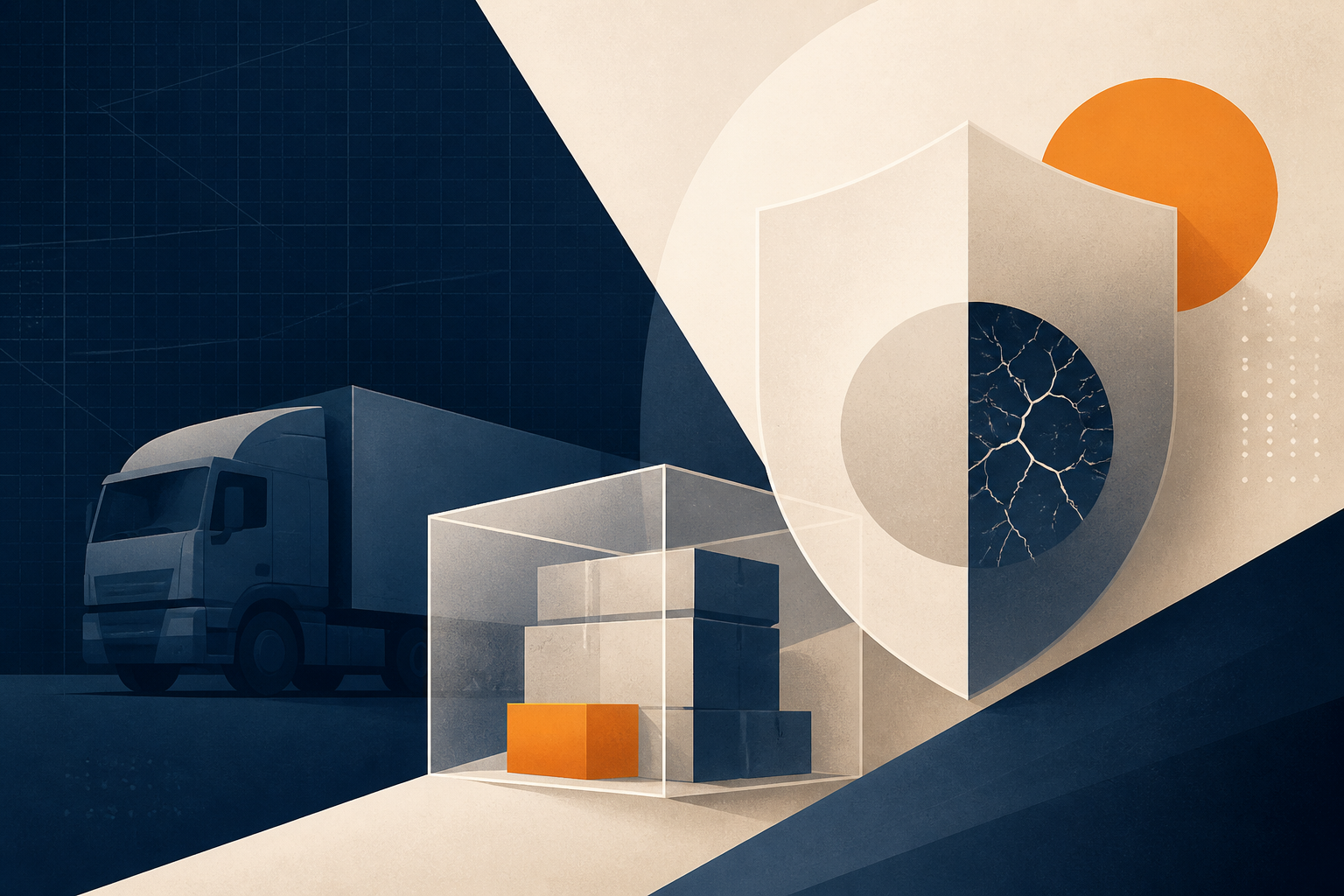
Management teams often assume that "full coverage" implies protection for every item attached to a vehicle's VIN. In reality, a standard commercial policy treats the trailer and the pallets inside it as two entirely different legal and financial entities, leading to significant gaps in protection.
Understanding the distinction between cargo and physical damage insurance is the difference between a minor setback and a total business loss. This guide clarifies how fleet managers and owner-operators can stop over-paying for overlapping coverages while ensuring their most expensive assets remain fully protected.
Why conflating asset and liability protection fails
- Misallocated Capital — Fleet owners often pay for high cargo limits thinking it covers the rig, leaving the actual truck under-insured against market volatility.
- Operational Stoppage — If a reefer unit fails, physical damage might repair the cooling engine, but without cargo coverage, the carrier is liable for the spoiled produce.
- Recovery Gaps — Relying on the wrong policy type during a jackknife accident can leave a firm responsible for heavy towing and debris removal costs.
The strategic fleet coverage playbook
Strategic fleet protection requires a clear separation between the hardware used for transport and the legal responsibility for the goods being moved.
1Actual Cash Value Alignment
Ensure physical damage limits reflect the current market price of equipment rather than original purchase prices. This prevents fleets from over-paying premiums on depreciating trucks that the insurer will only replace at current market value.
2Target Commodity Review
Review cargo exclusions annually to ensure specific high-theft items like alcohol or copper are not excluded. Many standard policies require specific riders for these goods, and operating without them creates a massive liability gap.
3Operational Radius Verification
Confirm that both physical damage and cargo coverages remain active across all state lines of operation. Some regional policies include strict "primary garage" restrictions that can void coverage during long-haul routes.
4Deductible Pressure Testing
Set cargo deductibles high enough to ignore nuisance claims that negatively impact loss runs. Conversely, keep physical damage deductibles low enough to facilitate immediate repairs and get equipment back into rotation.
Measuring coverage efficiency through data
Efficiency is found by monitoring the Premium-to-Asset Ratio, which measures the annual cost of physical damage against the total market value of the fleet. This ensures the business isn't paying more for protection than the hardware is worth. Additionally, tracking the Cargo Claim-to-Revenue Delta helps determine if a deductible is appropriately set for a specific freight niche.
Recovery Velocity is the ultimate metric for operational continuity. It measures the time elapsed from a loss event to receiving a settlement check. If physical damage coverage is not structured correctly, the delay in settlement can threaten the survival of a mid-market fleet regardless of the payout amount.
How No Cap Insurance helps
We eliminate the "paperwork tax" that most fleet managers pay by identifying where their cargo insurance overlaps with existing inland marine or general liability riders. Our team audits your current fleet insurance plans to ensure you have physical damage protection that accounts for the current volatility in the used truck market. By aligning your commercial trucking liability with the specific commodities you haul, we help you stop subsidizing the risk of less efficient fleets. Teams that want this handled end to end usually start with Commercial Truck Insurance.
Frequently asked questions
Does physical damage cover the accessories inside the cab?
Most standard policies cover permanently attached equipment like telematics and ELD hardware. Personal items, unattached GPS units, or loose tools often require a separate "personal property" or "inland marine" endorsement to be fully protected.
Can I skip cargo insurance if I only haul my own equipment?
If you are hauling your own property, you don't need cargo liability; you need an owner-goods-on-vehicle endorsement or a general inland marine policy. Cargo insurance specifically protects the carrier against their legal liability for third-party freight.
Why is my physical damage premium increasing if my truck is getting older?
The cost to repair modern trucks—specifically sensors, mirrors, and specialized body panels—is rising faster than the depreciation of the truck’s engine and chassis. Labor rates and parts shortages often keep premiums high even as the truck’s actual cash value drops.
Does cargo insurance cover the cleanup of a spill after a wreck?
Generally, no. Standard cargo policies cover the loss of the freight itself, but specialized "pollution buyout" or "debris removal" endorsements are required to cover the environmental cleanup and towing of the spilled goods.
Will physical damage pay for a rental truck while mine is in the shop?
Only if you have "Rental Reimbursement" or "Down Time" coverage added to the policy. Basic physical damage only covers the cost to repair or replace the asset, not the lost revenue or the cost of a temporary replacement vehicle.